
- F1REST
- SOS BALTIC SEA
- RESPECT THE AMAZON
- RACE4WOMEN [CHALLENGE ME]
- BACK TO SCHOOL
- KEEP THE LEGACY ALIVE
- #FOREVER SENNA
- BUZZIN’ CORNER
- RACE WITHOUT TRACE
- THE FINAL LAP TOGETHER
- SAVE THE BEES
RACE WITHOUT TRACE SILVERSTONE
Hi Everyone,
I want to share a story with you. As you know, I race with the number 5 on my car, but as you probably also know there was another famous 5 – “Red 5” which belonged to Nigel Mansell. This year, on the 30th anniversary of his win at the 1992 Silverstone Grand Prix, I really wanted to drive his championship winning car, the FW14B.

So, I asked the question: Would you enjoy driving a Formula 1 car but also make minimal impact to the environment and maximum impact for society? How could we run an original 1992 FW14B in a fully sustainable way?
I wanted to keep this car as authentic as possible and as similar to the car that won the British Grand Prix and the Championship in 1992.
Given the time scale and not wanting to change anything with the engine, could we find a fuel that would replace the traditional fossil fuel?
The Solution: We left everything as it was and added a carbon neutral fuel (CNF). It’s a fully performing fuel but one that doesn’t add CO2 to the environment, one that is a fully sustainable carbon neutral solution.
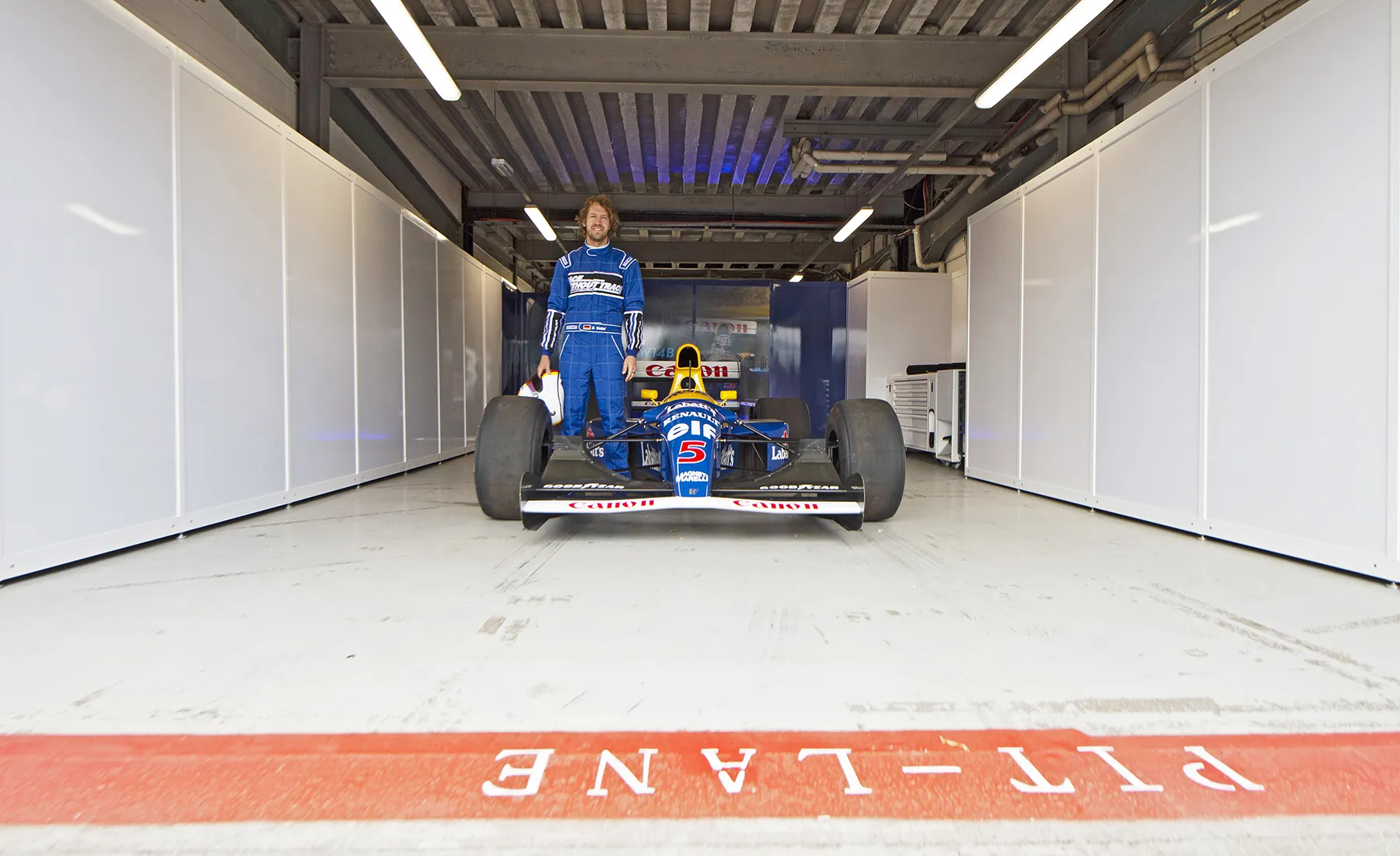
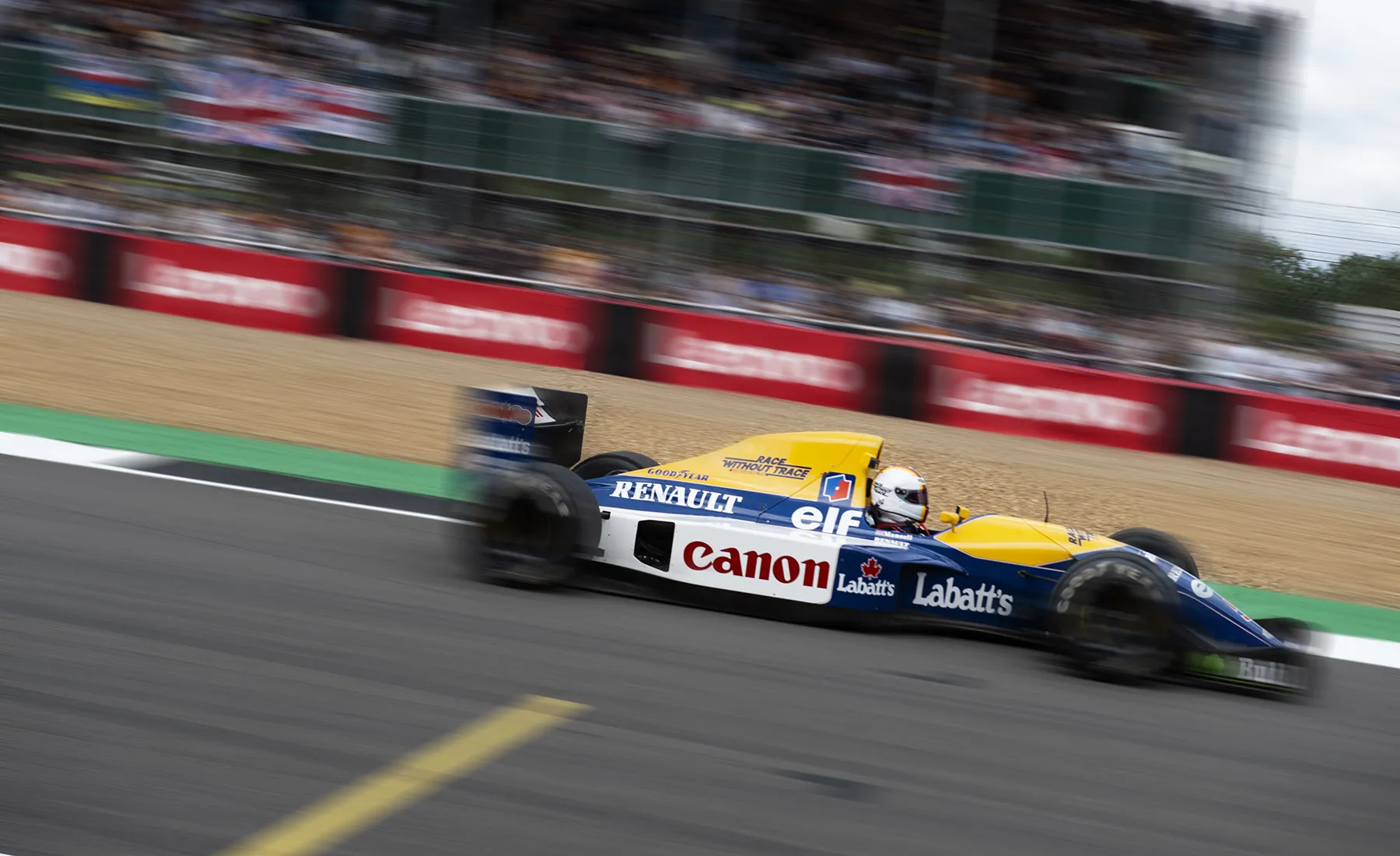


With this future technology we will be able to keep an old-school platform like a traditional racing car alive and are ready to race without trace.
Enjoy watching it do a few laps around Silverstone on Sunday before the race.
You are currently viewing a placeholder content from Vimeo. To access the actual content, click the button below. Please note that doing so will share data with third-party providers.
More InformationMORE INFORMATION ABOUT CARBON NEUTRAL FUEL:
Company:
P1 is a European company with headquarters in Berlin, production facilities in Belgium. The carbon neutral fuel for the FW14B was produced in Belgium.
www.p1fuels.com
Production:

Cost:
We paid 5.95 Euros for a litre of fuel. The price will become cheaper through more efficient production, i.e. decentralised production, wherever there is an abundance of renewable energy (e.g. offshore winds in Denmark, Sahara desert, thermal energy in Iceland).